

Located just off historic Route 66 in Zuni Pueblo, the A:shiwi A:wan Museum & Heritage Center invites travelers to explore centuries of cultural heritage, art and storytelling from the A:shiwi (Zuni) people.
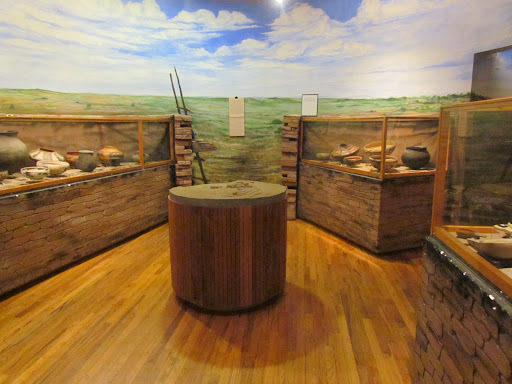
The museum showcases a remarkable collection of pottery, jewelry, textiles and ceremonial objects, all highlighting the artistry, spiritual traditions and resilience of one of the Southwest’s most enduring Indigenous communities.
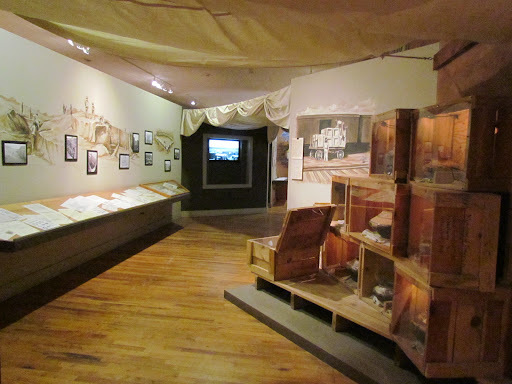
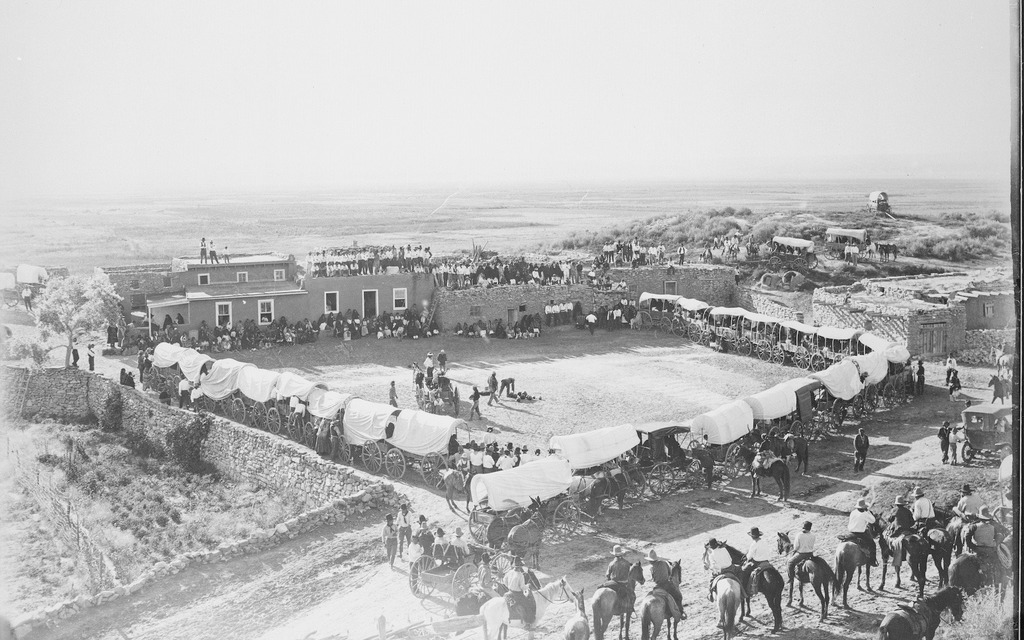
Visitors can walk through exhibits that trace the history of Zuni Pueblo from pre colonial times to the present, learning about ancestral practices, cosmology and daily life. The center offers educational programming, cultural demonstrations and opportunities to meet local artisans, providing a deeper understanding of the people who have shaped this high desert region.
Set against the backdrop of the Zuni Mountains and expansive desert plains, the museum is more than a cultural stop, it is a lens into the A:shiwi worldview, where land, sky and community intertwine. A visit here pairs beautifully with explorations of nearby natural landscapes, trading posts and sacred sites, offering travelers a holistic experience of Zuni life and heritage.
MISSION AND VISION
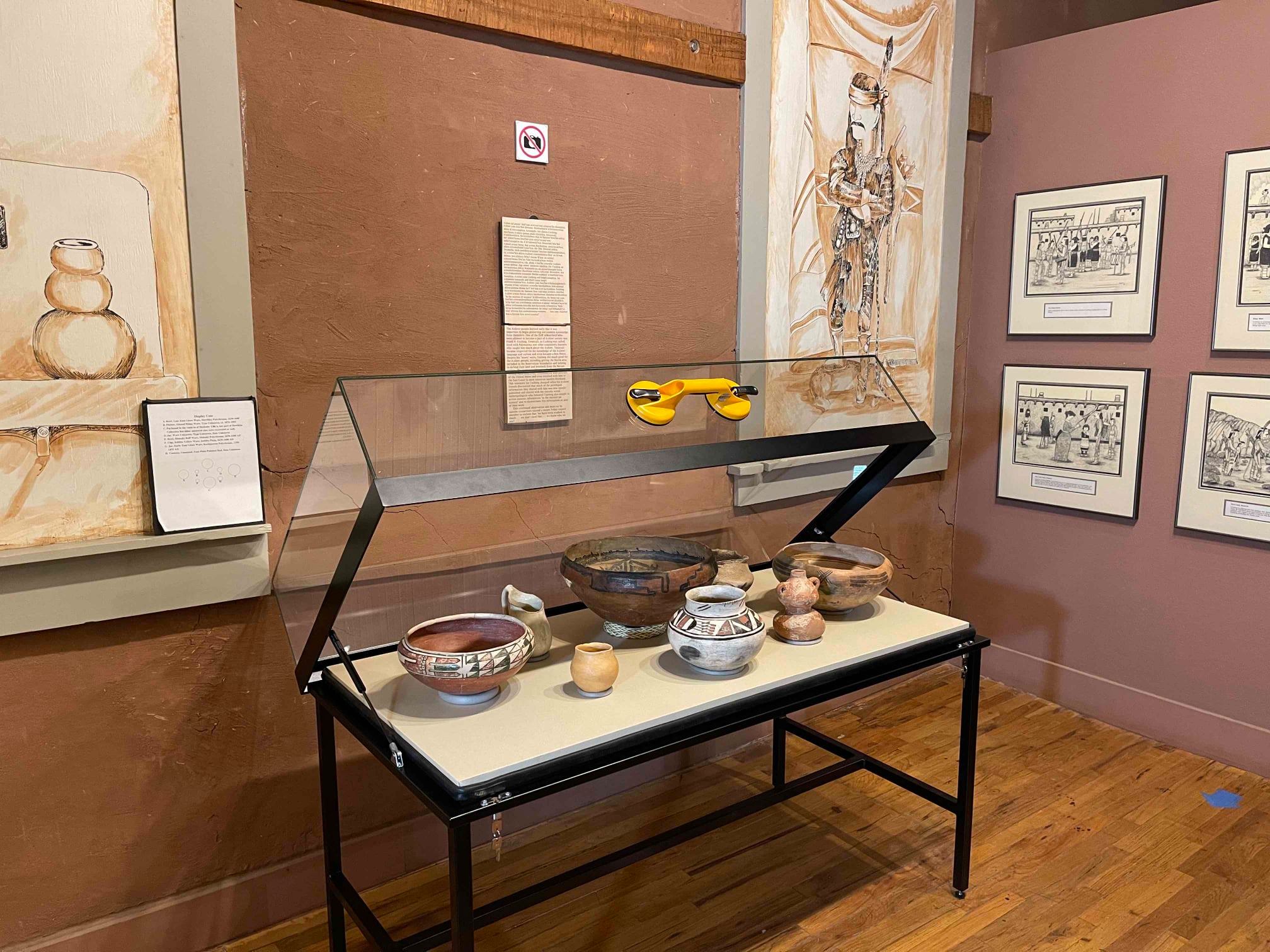 Established by a small group of Zuni tribal members in 1992, the A:shiwi A:wan Museum and Heritage Center is a Pueblo of Zuni Tribal Program dedicated to serving the Zuni community with programs and exhibitions that help us reflect on our past and are relevant to our current and future interests. As a tribal museum and heritage center for the Zuni people and by the Zuni people, we work to provide learning experiences that emphasize A:shiwi ways of knowing, as well as exploring modern concepts of knowledge and the transfer of knowledge. We define our institution as an ecomuseum: in harmony with Zuni’s environmental values and dedicated to honoring, cultivating, and nurturing dynamic Zuni culture.
HISTORY OF MUSEUM
The AAMHC developed from the idea that we can do it ourselves. In the 1970s and 80s, a Zuni museum had been proposed but fell short after architectural drawings were prepared but no funds were available to move forward with construction of a building. Also, it occurred to some that the plan to construct a building and later think about putting things in it and call it a “museum” was really like putting a cart in front of the horse. It also did not adequately consider the rationale and purpose for a Zuni museum. Consequently, a group of interested community members met several times over the course of a year to study the concept of a museum, what a museum means, the baggage and history of museums in general, and how might the group redefine what a museum could mean to Zuni. Ultimately, the group decided what Zuni really needs is a place for A:shiwi people to understand why we are the way we are. Soon afterwards, the group incorporated as a non-profit organization, and the A:shiwi A:wan Museum and Heritage Center was born. As of 2016, AAMHC is now a Pueblo of Zuni tribal museum.
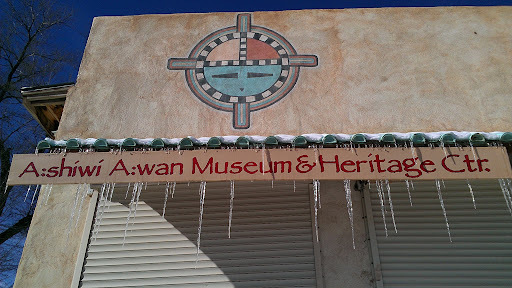
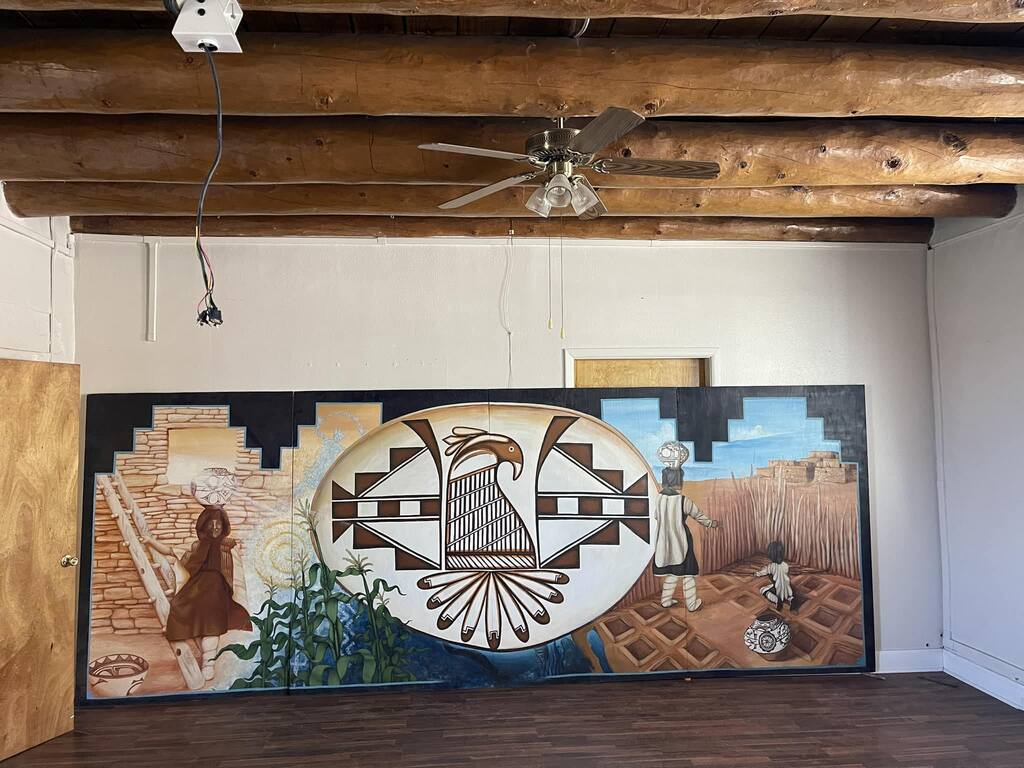
The historic Hebadin’a building was a trading post on and off for many years. It was last used as a store in 1981 and later was used for storage until December of 2002, when it became the A:shiwi A:wan Museum and Heritage Center. Records are unclear, but it is thought the building was built around 1911. The original building included a full size storage basement with a hand-operated elevator. Between 1932 and 1935, office space was added to the south side of the building and the front was expanded about 1940 or 1941. The front addition was not perfectly constructed, and a difference in elevations between the original storefront and the addition is obvious as you walk in and see the sag in the floor marking the carpenter’s obvious error. About 1940, Zuni artist Teddy Weahkee painted two sun faces on the outside upper face of the building entrance.
COLLABORATIONS
 A:shiwi Map Art
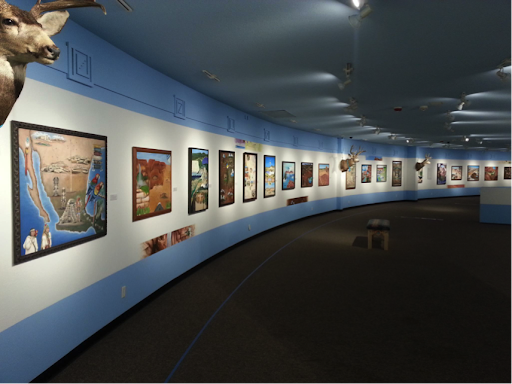
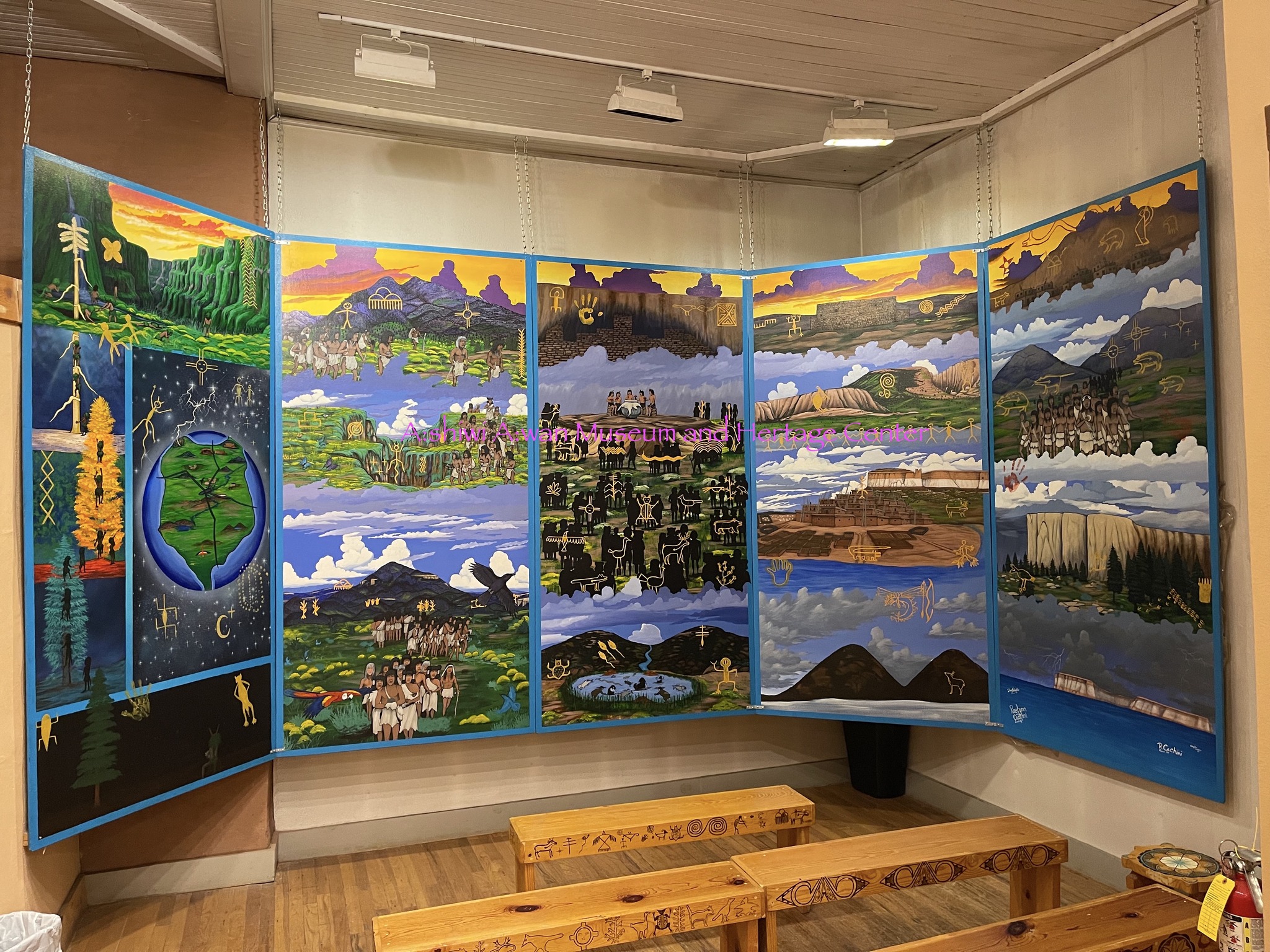
The A:shiwi have always had maps. We have maps in songs and prayers, painted on ceramics, and etched in stone. Our maps aid our memories and give reference to our places of origin – places we have visited, and places we hope to go. Names of places within our territory have been passed down from generation to generation, but in the past 500 years we have been re-mapped. What was once known as Sunha:kwin K’yabachu Yalanne is now called the San Francisco Peaks and many people now call Heshoda Ts’in”a … Pescado. However, there is an Indigenous mapping movement growing around the world reinforcing Indigenous knowledge of ancestral lands and describing the world as cultural landscapes. Through the A:shiwi Map Art initiative, the A:shiwi A:wan Museum and Heritage Center is helping to advance this movement and reverse certain distortions of Zuni history.
The A:shiwi Map Art collection is an art, language and place name project all in one. Sixteen Zuni artists were commissioned to create paintings representing significant Zuni landscapes and places.
COLLECTIONS
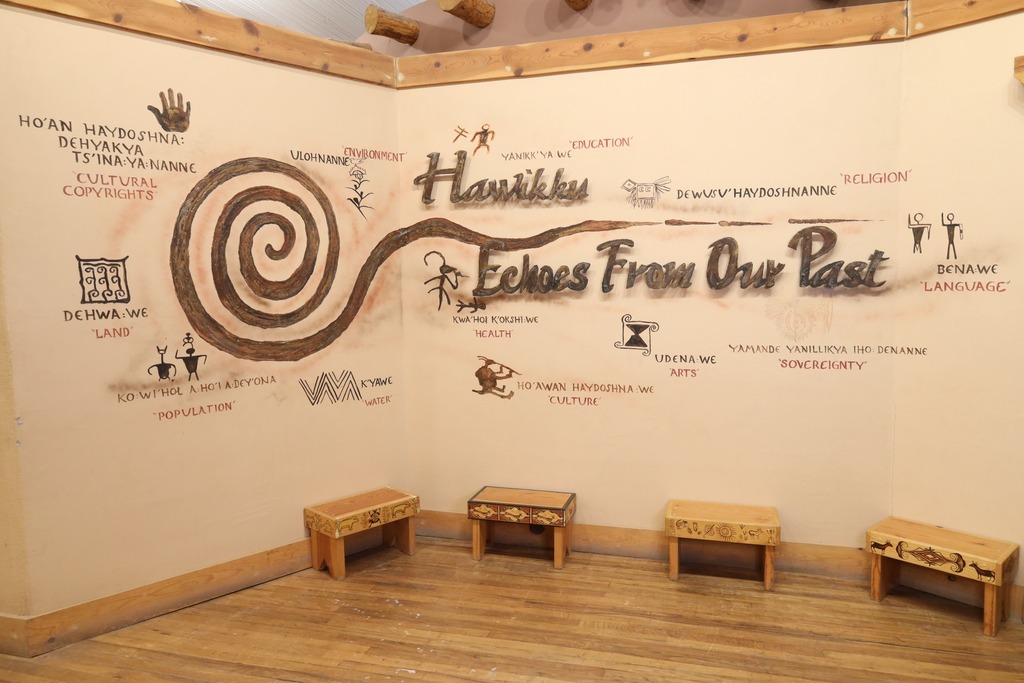
Contemporary Art Inspired by Hawikku
Phil Hughte Drawings
Zuni Fetish Carvers
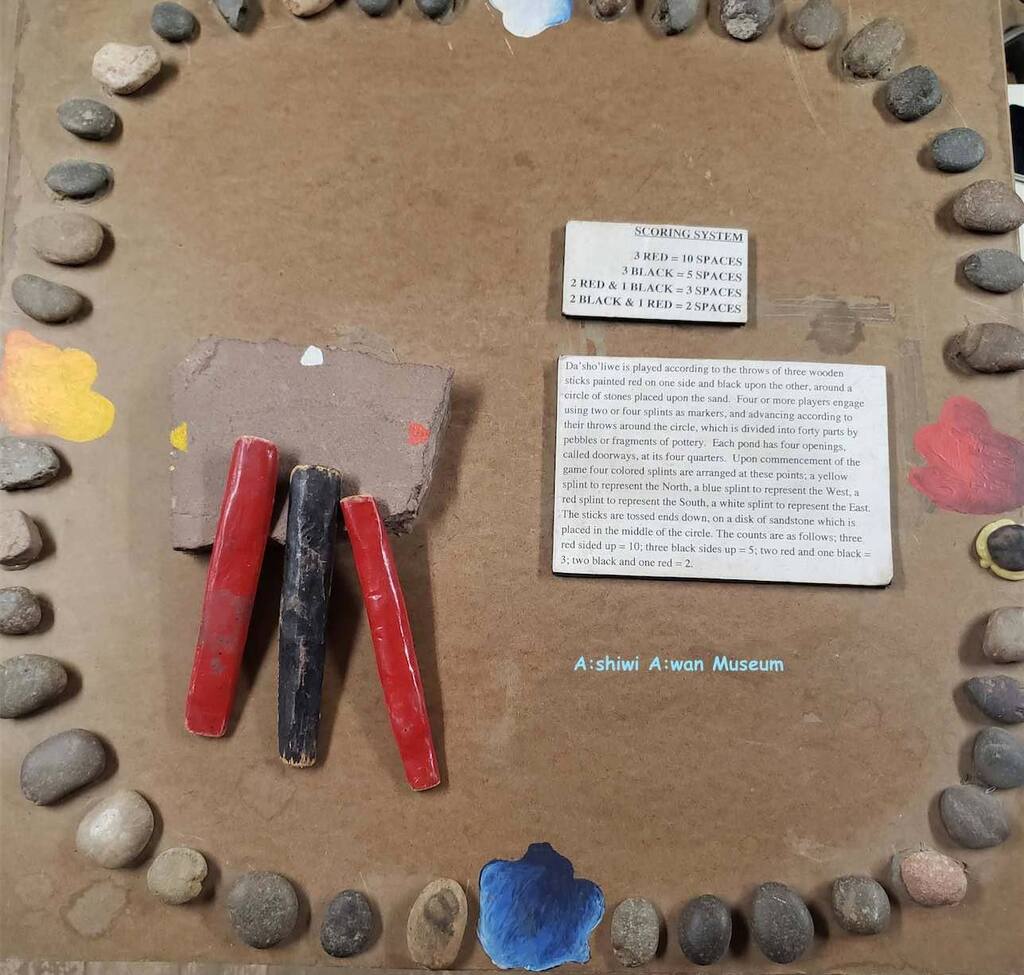
Traditional Tools and Traditional Games
Film Archive
Shiwi Messenger Archive
1960s and 1970s sound recordings of Zuni elders
HOURS
Monday - Friday from 8am to 5pm (Closed on weekends)