
Anza Trail Cultural History Park is a public cultural and educational park in Tucson, Arizona, located along the Santa Cruz River and the Juan Bautista de Anza National Historic Trail. The park interprets the history and cultural landscapes associated with the 1775–1776 Anza expedition while recognizing the many Indigenous communities whose homelands and existing travel routes shaped the corridor long before the expedition. The park was designed as an inclusive space for visitors of all ages and abilities and also serves as an outdoor classroom for students at the nearby Arizona School for the Deaf and the Blind.
The park officially opened in January 2023 following a collaborative design process involving the National Park Service, Anza Society International, Pima County, the Arizona School for the Deaf and the Blind, University of Arizona landscape architecture students and community members.
 ART & CULTURAL INTERPRETATION
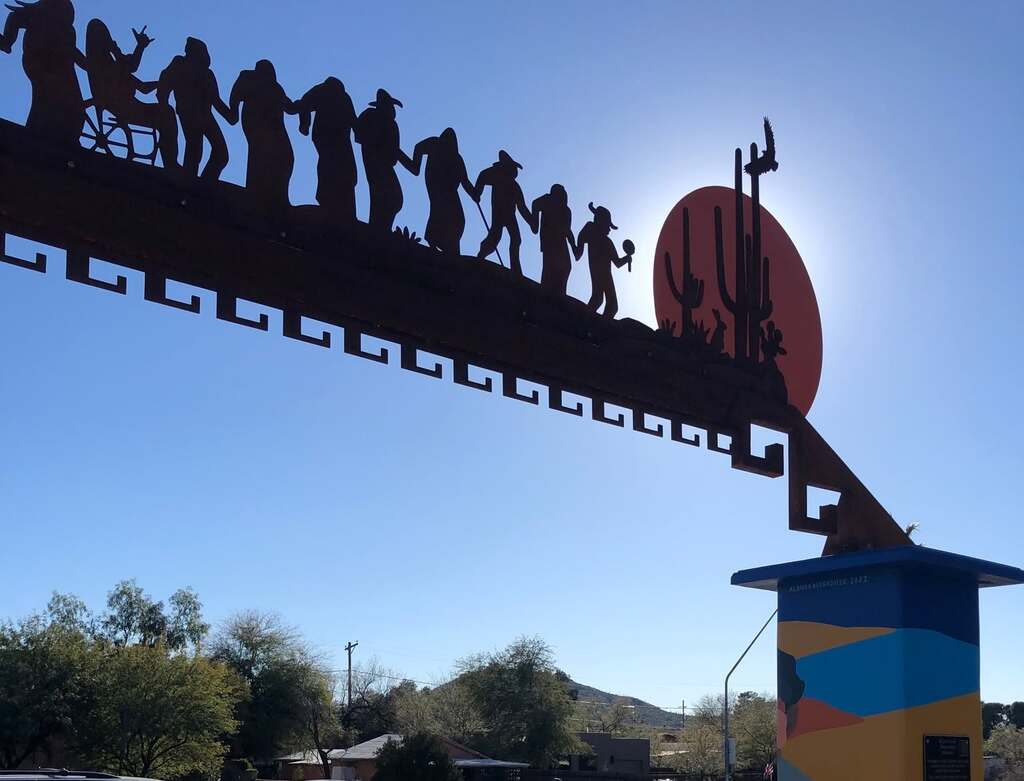
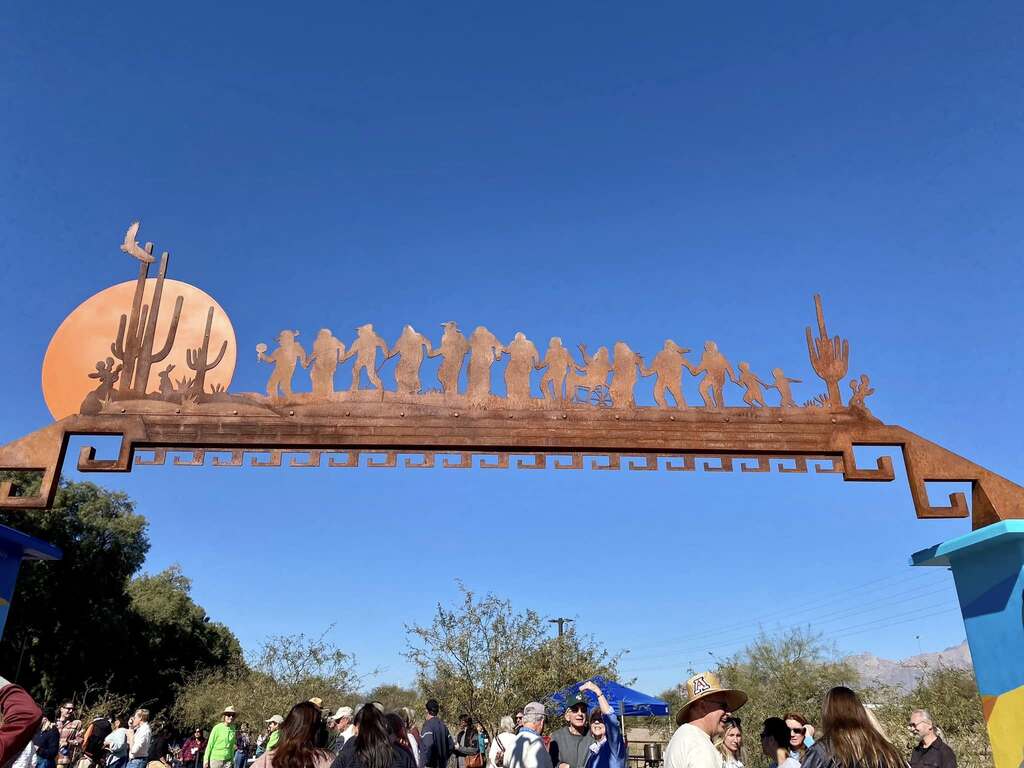
A colorful steel archway welcomes visitors to the park. Titled “T-we ‘ac t-keihin,” or “Together We Dance,” the sculpture was designed by Quinton Antone of the Tohono O'odham Nation. The archway connects murals created by local artist Alonso Delgadillo, introducing visitors to the history and cultural perspectives represented along the Anza Trail.
Interpretive elements throughout the park explore the historic trail, the people who traveled through the region and the communities connected to the landscape. The exhibits encourage visitors to consider the Anza expedition within the broader history of the region, including the Indigenous trails and communities that existed before Spanish colonization.
ANZA TRAIL HISTORY
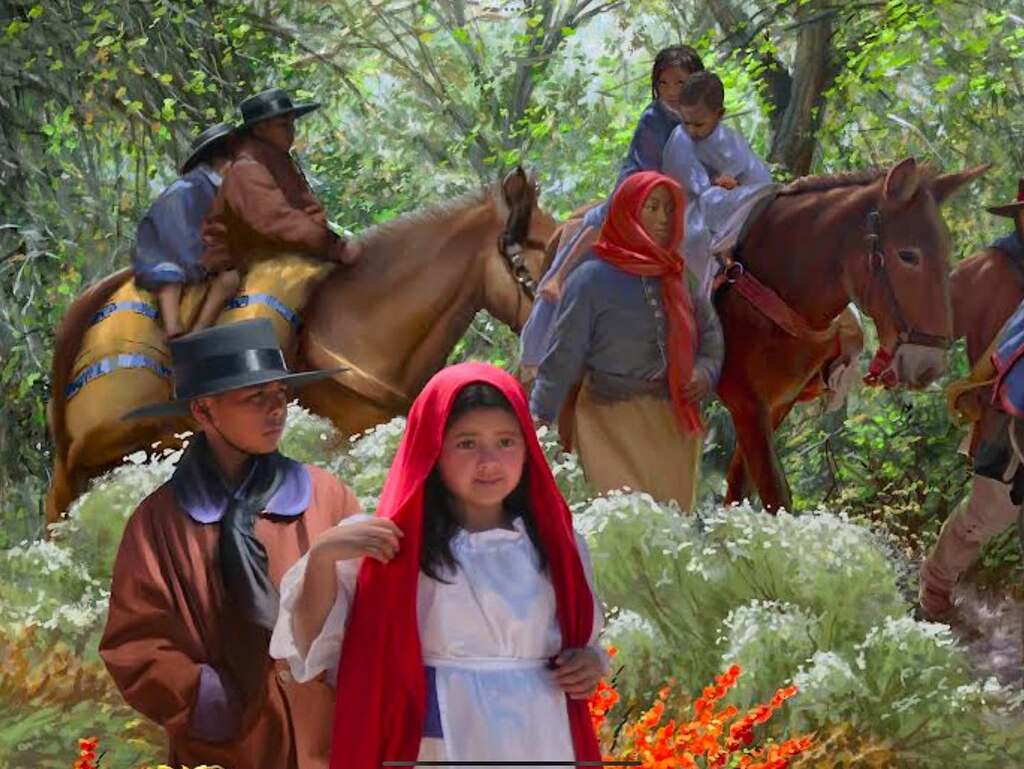
The park is part of the 1,200-mile Juan Bautista de Anza National Historic Trail, which follows the route of the 1775–1776 Spanish colonizing expedition from present-day Sonora, Mexico, to the San Francisco Bay Area.
The expedition traveled through landscapes that were already home to numerous Indigenous communities, including O'odham communities in Southern Arizona. The National Park Service's interpretation of the trail recognizes both the expedition's historical significance and the complex consequences of Spanish colonization for the Tribal communities whose homelands the expedition crossed.
A tactile map at the park allows visitors to follow the expedition route and understand its scale and geography.
ACCESSIBLE OUTDOOR EXPERIENCES
Universal accessibility is one of the defining features of Anza Trail Cultural History Park. The park was intentionally designed to make cultural history accessible beyond traditional mobility accommodations.
Visitors will find:
ADA-compliant sidewalks and pathways
A tactile map of the Anza expedition route
Braille interpretation
Audio descriptions accessed through QR codes
American Sign Language interpretation
Tactile artwork and footprints in relief
A guide cable connecting artistic elements for visitors who are blind or have low vision
Interactive exhibits
Accessible seating and shaded areas
A raised garden
Chimes that can be experienced through touch and sound
Picnic tables and a ramada
Interpretive materials are available through multiple sensory formats, allowing visitors with different abilities to experience the park's history, art and landscape.
 NATIVE PLANTS & LANDSCAPE
The park's plaza and pathways incorporate native plants that reflect the Sonoran Desert environment. The landscape design complements the park's historical interpretation while creating a welcoming urban green space along the Santa Cruz River corridor.
The park's location is also significant because the Santa Cruz River has long served as an important source of water, transportation and life for Indigenous communities in the region.
YOUTH & COMMUNITY DESIGN
Anza Trail Cultural History Park was developed through an extensive community-based design process. Students and educators from the Arizona School for the Deaf and the Blind participated alongside National Park Service staff, landscape architecture students, historians, artists and community members.
The result is a park designed not only to tell history but also to demonstrate how public spaces can make cultural interpretation accessible to people with different physical and sensory needs.
VISITOR INFORMATION
Admission: Free
Hours: Open to the public as an outdoor park; visitors should check current conditions before visiting
Accessibility: Designed for universal accessibility, including visitors with mobility, hearing and visual disabilities
Parking: Street and nearby public parking options are available
Best For: Cultural history, accessible recreation, public art, education and short walks