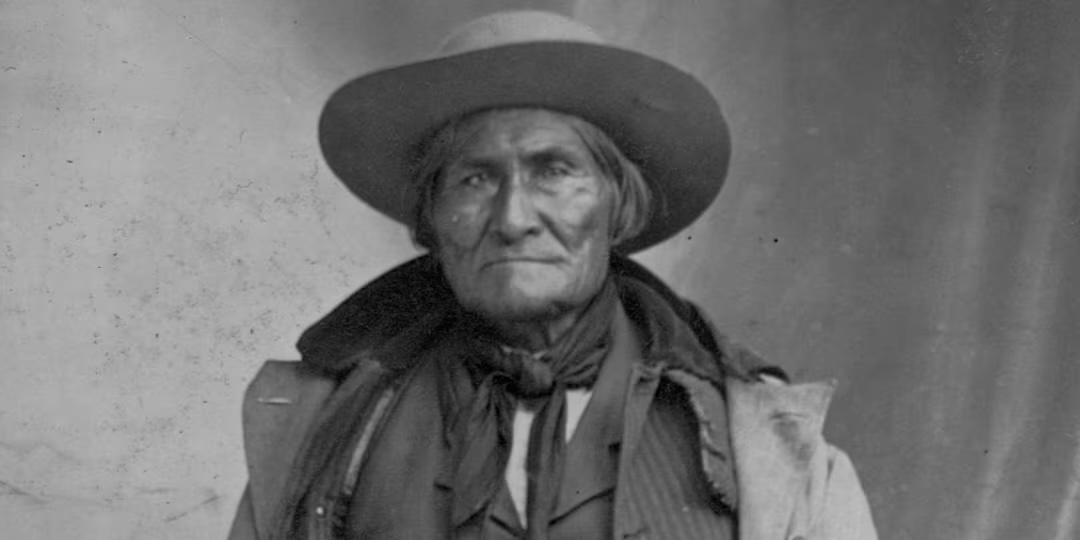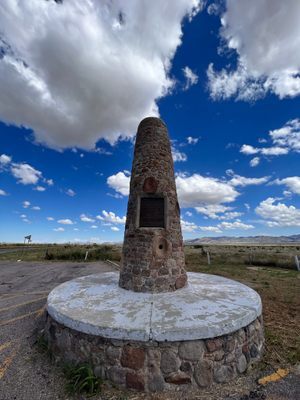

The Geronimo Surrender Monument commemorates the 1886 surrender of the Apache leader Geronimo, an event that marked the end of major armed resistance by Apache groups in the Southwest. Located near Fort Bowie National Historic Site, the monument stands in a remote desert landscape that reflects the historical setting of negotiations between Apache leaders and the U.S. Army.
Visitors can explore the surrounding terrain and interpretive signage that provide context about the final surrender and the broader history of the Apache peoples in the region.
HISTORY
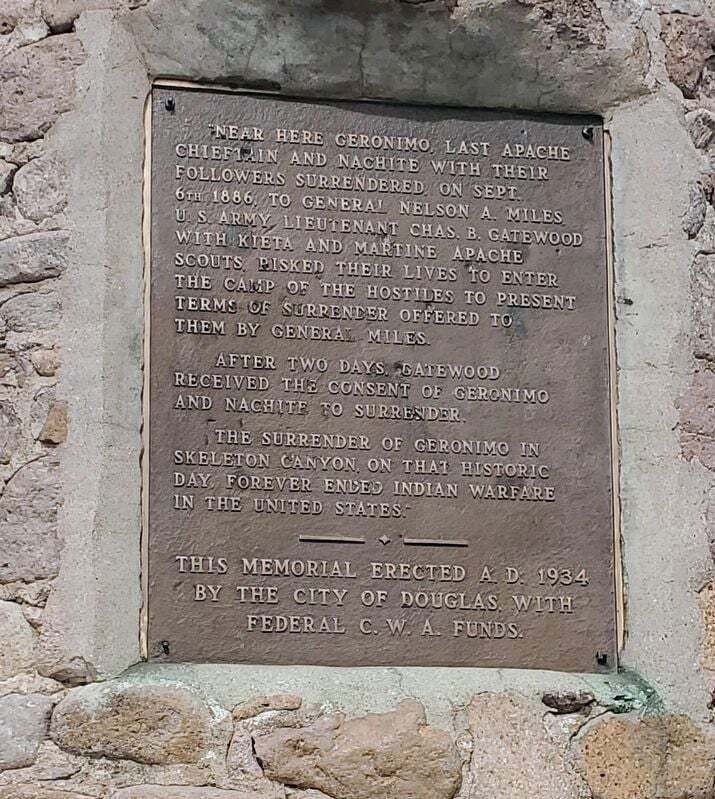
In September 1886, Geronimo and a small group of Apache followers surrendered to U.S. forces after years of resistance. The surrender occurred near Fort Bowie and effectively ended decades of conflict between the United States and Apache groups in Arizona and New Mexico.
Following the surrender, Geronimo and his followers were taken as prisoners of war and relocated far from their homelands. The monument acknowledges this pivotal moment and its lasting impact on Apache communities.
MONUMENT FEATURES
Stone marker commemorating the surrender site
Interpretive signage explaining the historical context
Scenic desert landscape surrounding the monument
Connection to nearby Fort Bowie historic trails
Quiet, reflective setting for historical interpretation
CULTURAL SIGNIFICANCE
The Geronimo Surrender Monument represents a complex and significant moment in Apache history. While the surrender marked the end of armed resistance, it also symbolizes resilience, survival and the enduring cultural identity of Apache peoples. Today, the site provides an opportunity for visitors to learn about the historical experiences of the Apache and the broader impacts of U.S. expansion in the Southwest.
HOURS OF OPERATION
No regular daily park hours - visitors can stop any time of day, though daylight is strongly recommended due to the remote location.
ADMISSION & FEES
There are no entrance fees, no parking fees, and no permits required to visit the monument itself.