
Experience the rich culture of Nevada’s Native American Tribes
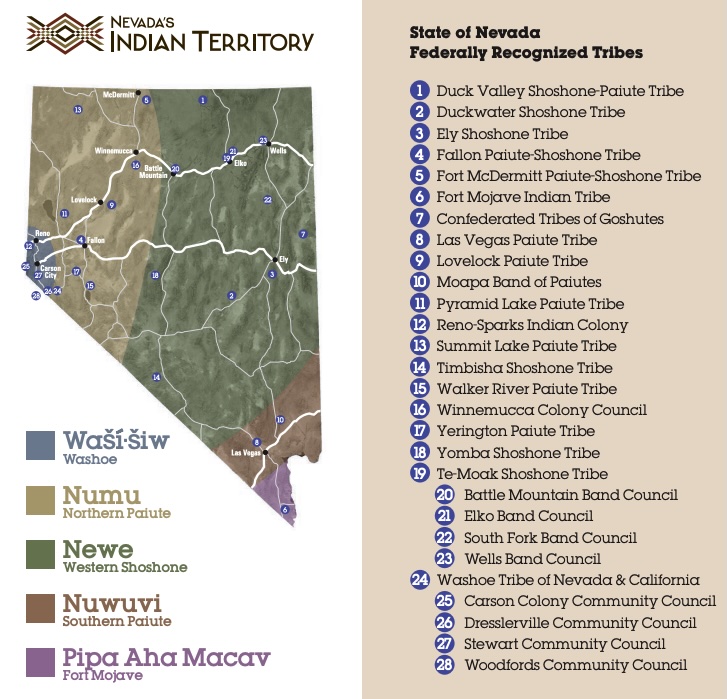
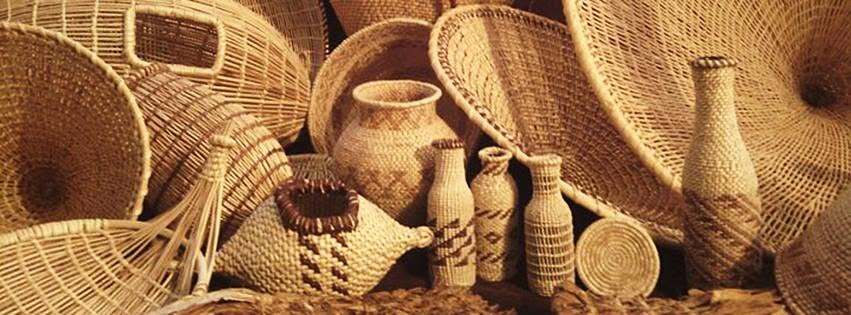
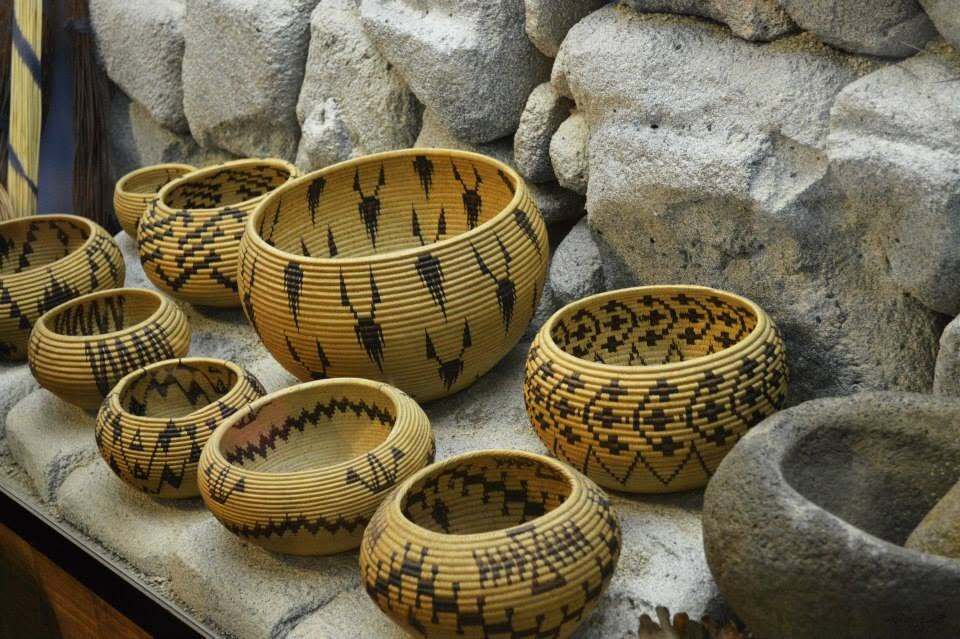
Twenty-eight federally recognized tribes stretch across Nevada. These tribes are all unique, with traditions that span many generations. But like the intricate strands that form a beautiful basket, these tribes are one, and their culture is strong and tightly woven together.
OUR MISSION
Nevada’s Indian Territory shall work with Nevada Tribes, American Indian Organizations and indigenous owned businesses to assist with destination planning and marketing authentic indigenous tourism and sustainable eco-cultural tourism while improving quality of life, strengthening cultural awareness, inclusion, and respecting cultural identity of the Great Basin Indigenous People.
Waší∙šiw - Washoe People
The Washoe have inhabited Nevada’s Great Basin since the beginning of time. The Washoe language is a language isolate. The Washoe word for “the lake” is DáɁaw.
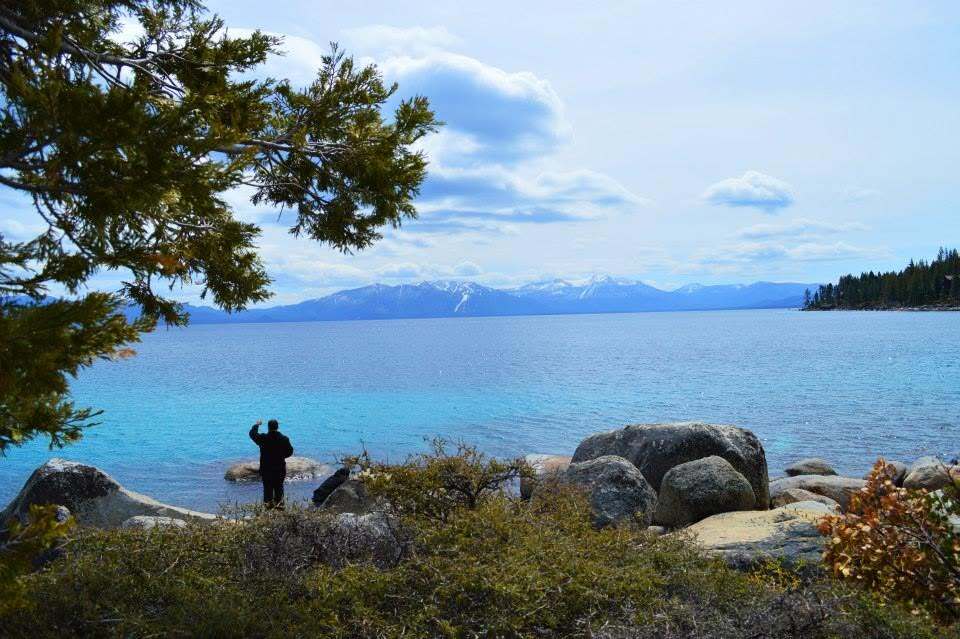
When the snows melted in spring, the Washoe gathered at Lake Tahoe’s edge (DáɁawɁágaɁ), where they recognized the water and themselves, a tradition continuing today.
One of their most significant cultural and spiritual sites for the Washoe is Cave Rock, known as De’ Ɂek wádapuš (rock standing gray), on the southwestern shore. Climbing at this site is discouraged by the Washoe Tribe. We kindly ask for your understanding and respect for this request.
The Washoe continue to hold traditional celebrations such as the annual Waší·šiw ɁitdéɁ (Indigenous Culture and Arts Festival) and are teaching their youth to speak their native language.
Numu - Northern Paiute People
The Northern Paiutes believe that power (pooha) resides in natural objects such as animals, plants and geographical features. This strong connection to the environment is evident in the names of different bands. For example, Pyramid Lake Paiutes are called Kooyooe Tukadu (cui-ui eaters), after the
cui-ui fish, found nowhere else in the world.
Unlike many American Indians throughout the country, the Pyramid Lake Paiute and the Walker River Paiute never faced complete relocation. Their ancestors have lived there for millennia. The Pyramid Lake Indian Reservation is home to the only scenic byway in the country completely within a tribal reservation.
Nuwuvi - Southern Paiute People
Two groups of federally recognized Southern Paiute bands live in Nevada: the Moapa Band of Paiutes and the Las Vegas Paiute Band. The Pahrump Band of Paiute also live in the area. The native languages of the Southern Paiutes and Northern Paiutes are different but related.
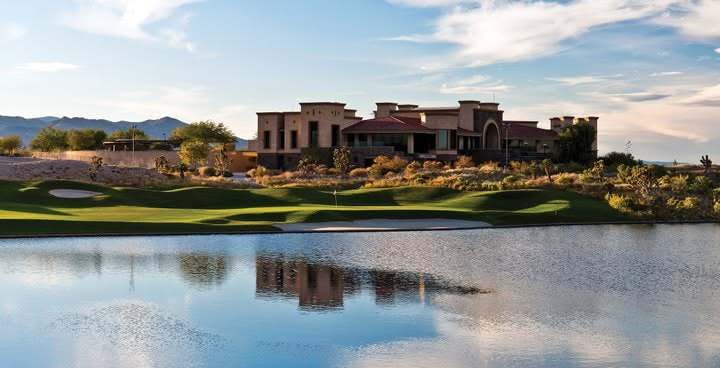
The Southern Paiutes operate the Las Vegas Paiute Golf Resort with three world-class 18-hole courses—each rated 4½ stars by Golf Digest—and a restaurant with views of the Sheep Mountains. In addition, the Moapa Paiute Travel Plaza with its 2,500-square-foot casino and fireworks store greets visitors on their way to Valley of Fire State Park. The Moapa Band of Paiutes also are developing the first large-scale solar project on tribal land, which will provide tribal revenue and jobs.
Newe - Western Shoshone People
The Western Shoshone are grounded in the land, and their bands are named for the type of food that traditionally was their predominant source of sustenance. In Ruby Valley, Nevada, the Shoshones are called the Mahaguadüka (Mentzelia seed eaters) or the Watatikka (ryegrass seed eaters) and in Railroad Valley they are known as the Tsaiduka (tule eaters).
The Western Shoshone live in colonies and reservations throughout the state including Battle Mountain, Elko, Wells, Fallon and on the Duckwater Indian Reservation. They are keenly aware of the importance of preserving the environment and all its fruits for future generations. For their efforts in restoring critical habitat of the Railroad Valley springfish and reintroducing this endangered fish, the Duckwater Shoshone Tribe earned the 2010 U.S. Fish and Wildlife Endangered Species Program Recovery Champion Award.
Pipa Aha Macav - Fort Mojave People
The Pipa Aha Macav, “The People by the River,” have called the Colorado River region home since time immemorial. Today, the Fort Mojave Indian Reservation spans Nevada, Arizona and California, offering visitors a distinctive blend of cultural heritage, desert landscapes and Colorado River recreation. At the heart of the Pipa Aha Macav homeland is Avi Kwa Ame (Spirit Mountain), a sacred place central to the Mojave creation story. The surrounding Avi Kwa Ame National Monument protects a remarkable Mojave Desert landscape and provides opportunities for wildlife viewing, including desert bighorn sheep, desert tortoises and other native species.
Along the Colorado River, visitors can enjoy boating, fishing and other outdoor adventures. The Tribe also offers a variety of visitor experiences, including Avi Resort & Casino, with gaming, dining, entertainment and a sandy riverfront beach, as well as a world-class golf course and RV park for travelers looking to stay close to the river. The Avi Travel Plaza provides another convenient stop while exploring Fort Mojave Country, where culture, recreation and the enduring connection between the Pipa Aha Macav and the Colorado River come together.
LANDSCAPE
A majestic land, a special people. It’s a land of natural and cultural treasures. A land where pelicans splash around in the middle of the desert. Where antelopes are sometimes spotted racing alongside a car or a bighorn sheep sipping from a spring. Where sunsets and sunrises transform mountains into pillars of fire. And where fish swim in ancient lakes. Most importantly, a land where Great Basin Indigenous People celebrate their past while building a hopeful future. Most importantly, it’s about the people who have lived here since time immemorial.
Nevada’s Indian Territory. Home to five major American Indian tribes—the Washoe, Northern Paiute, Southern Paiute, Western Shoshone, and Fort Mojave—who all feel a deep connection to the environment and all its gifts. These tribes sustained their ethnic identity longer than in other areas because it took longer for Euro-Americans to settle there.
You’re invited to explore Nevada’s Indian Territory. To immerse yourself in the culture and the majestic landscape. And to meet the strong and brave people whose ancestors were stewards of this land for millennia.