
Sequoyah was born circa 1776 in Tennessee. His father was Nathaniel Gist, a fur trader; his mother, Wuh-teh, belonged to the Paint Clan of Cherokee. Though lame in one leg, Sequoyah was a trader, blacksmith and silversmith, and under the command of General Andrew Jackson, he fought against British troops and Creek Indians in the War of 1812.
In the military, Sequoyah and other Cherokee could not write letters home, read military orders, or record events like white soldiers did, as they had never learned the English alphabet. He began working on a writing system in 1809. Although interested in creating a Cherokee syllabary before the war, he was committed to creating a writing system for his people when he returned home.
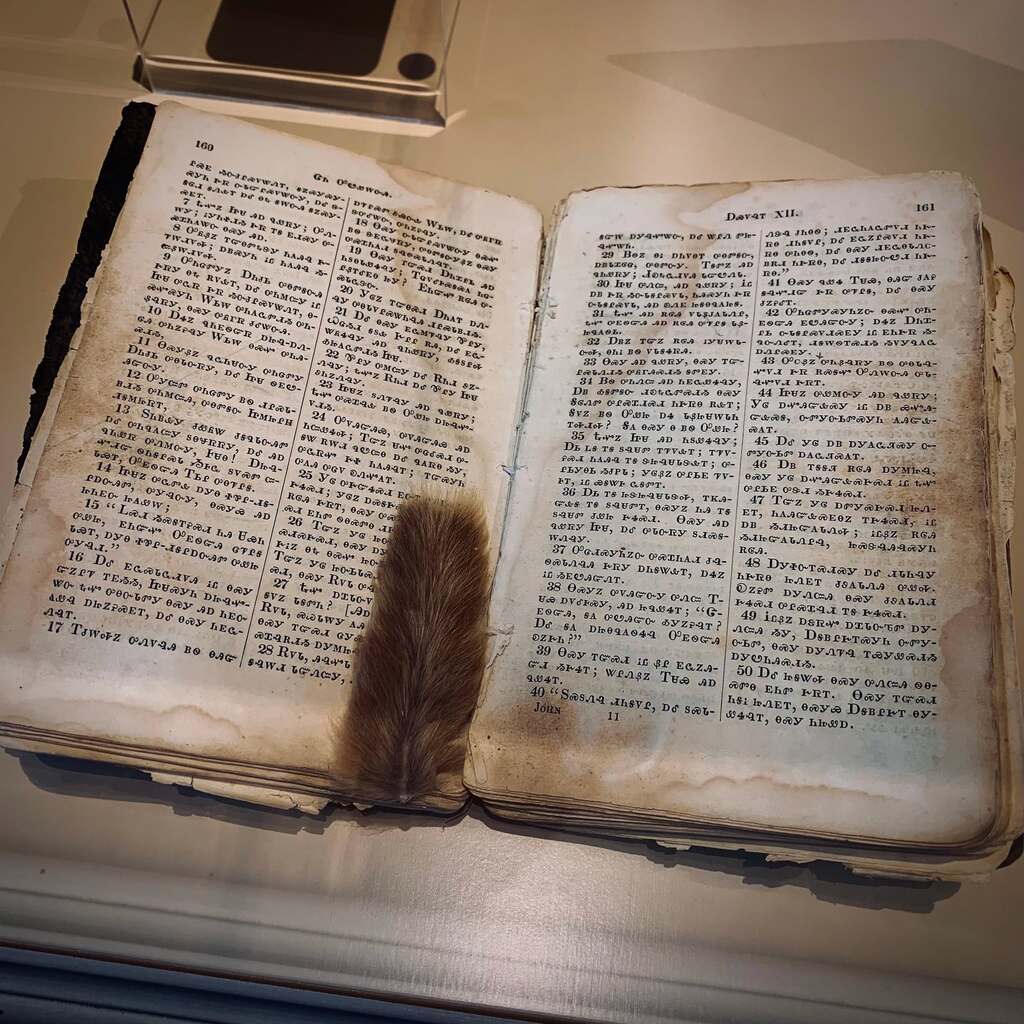
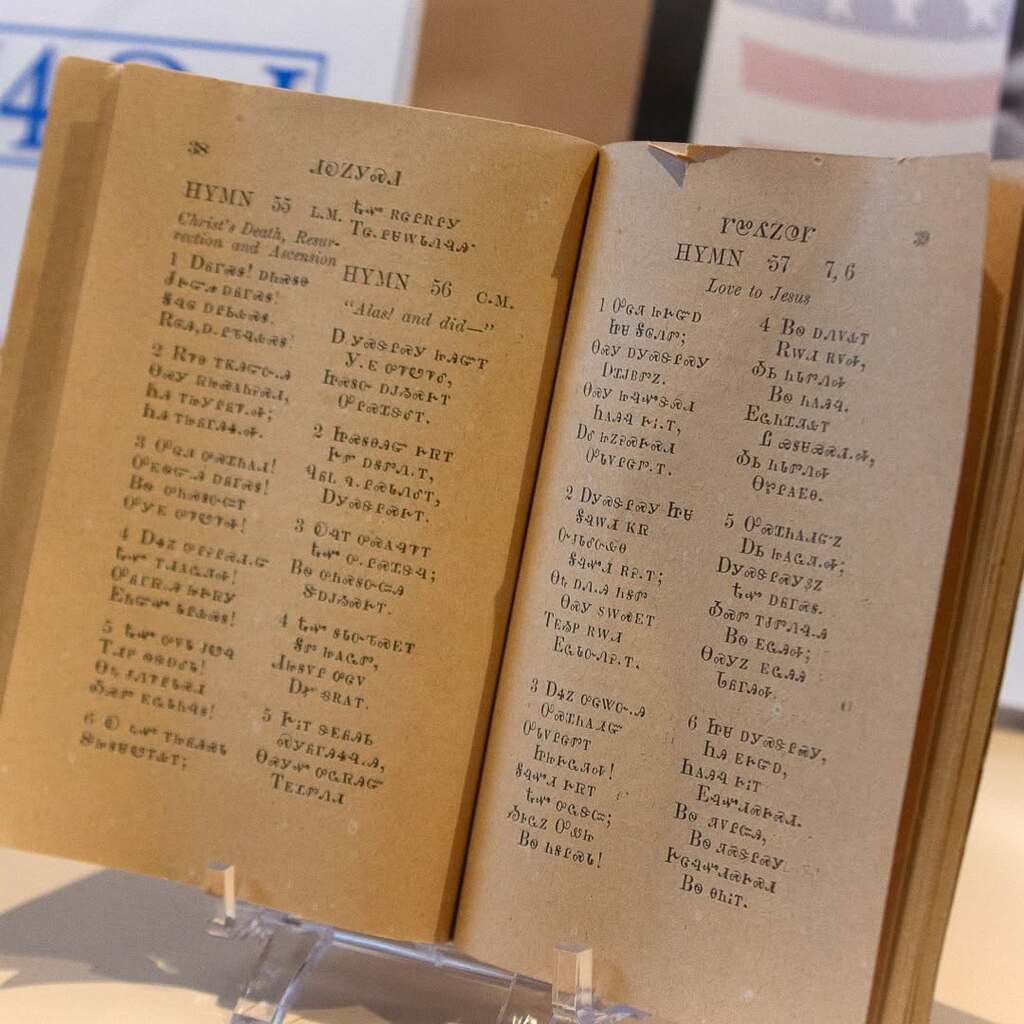
After abandoning his first attempts at creating a symbol for each word, he honed in on the 86 recurring syllables in the spoken language. In the 12 years between 1809 and 1821, Sequoyah perfected the syllabary, eventually bringing literacy to his tribe. However, when he and his daughter first introduced the syllabary to the Cherokee people, they were immediately charged with witchcraft.
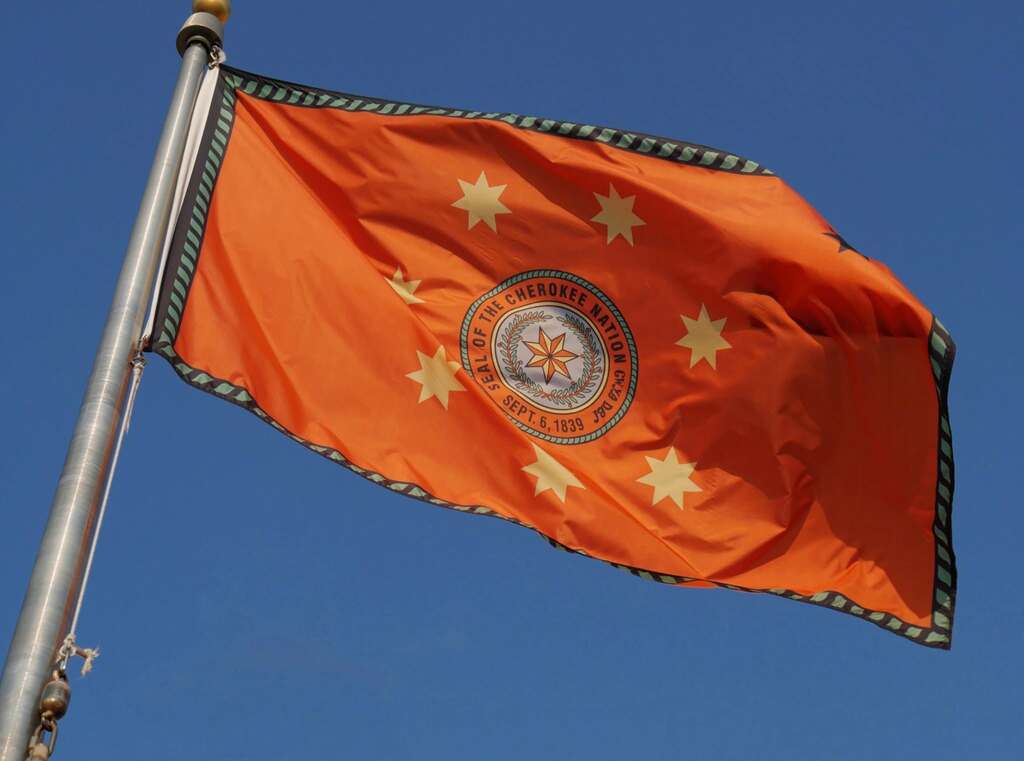
During the civil trial, a group of warriors assigned to judge the charge of sorcery separated Sequoyah and his daughter. They passed messages between them until they were finally convinced that the symbols on paper represented speech. Following the trial, Sequoyah taught the warriors to read and write their own language in a week’s time. The language spread quickly throughout Cherokee Nation, and within a few months, thousands became literate.
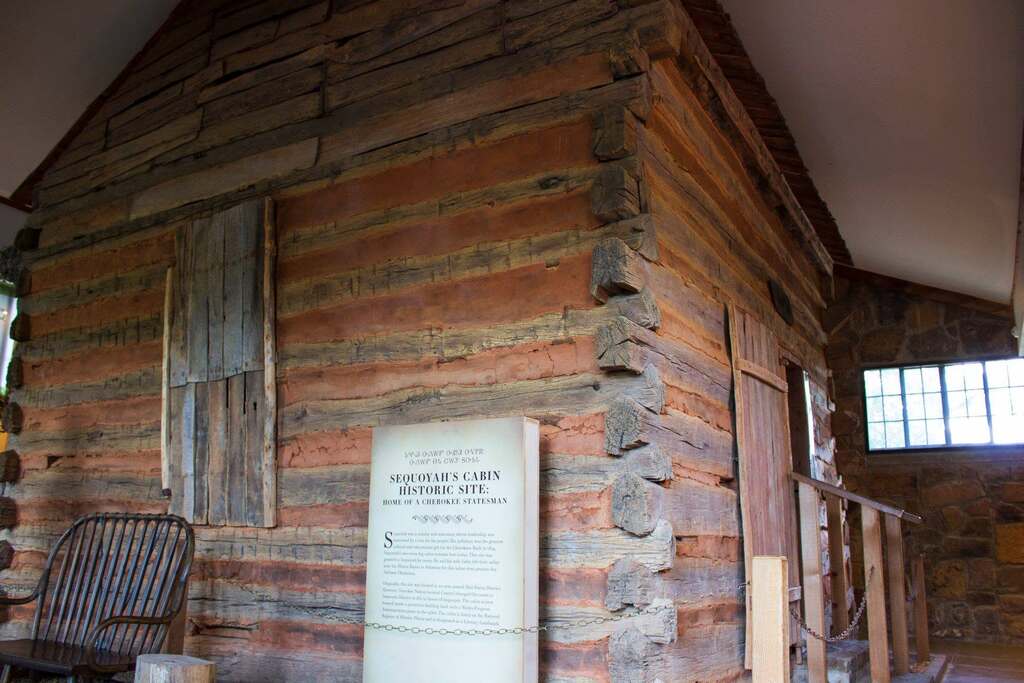
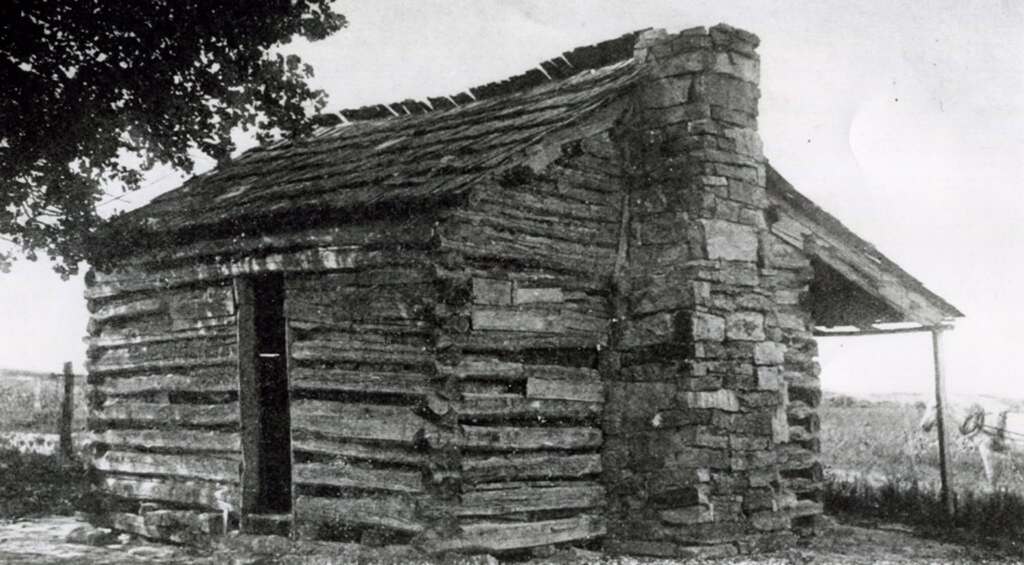
Visitors can learn about Cherokee publishing history at the Cherokee National Supreme Court Museum in Tahlequah, Okla., which houses the printing press of the Cherokee Advocate, the first newspaper in the state. Located in nearby Sallisaw, Okla., is the one-room log cabin Sequoyah built in 1829, now a National Historic Landmark. When visiting the Eastern Band of Cherokee Indians in North Carolina, check out the Sequoyah Birthplace Museum in nearby Vonore, Tenn., for a more in-depth look at his life’s work and Cherokee history.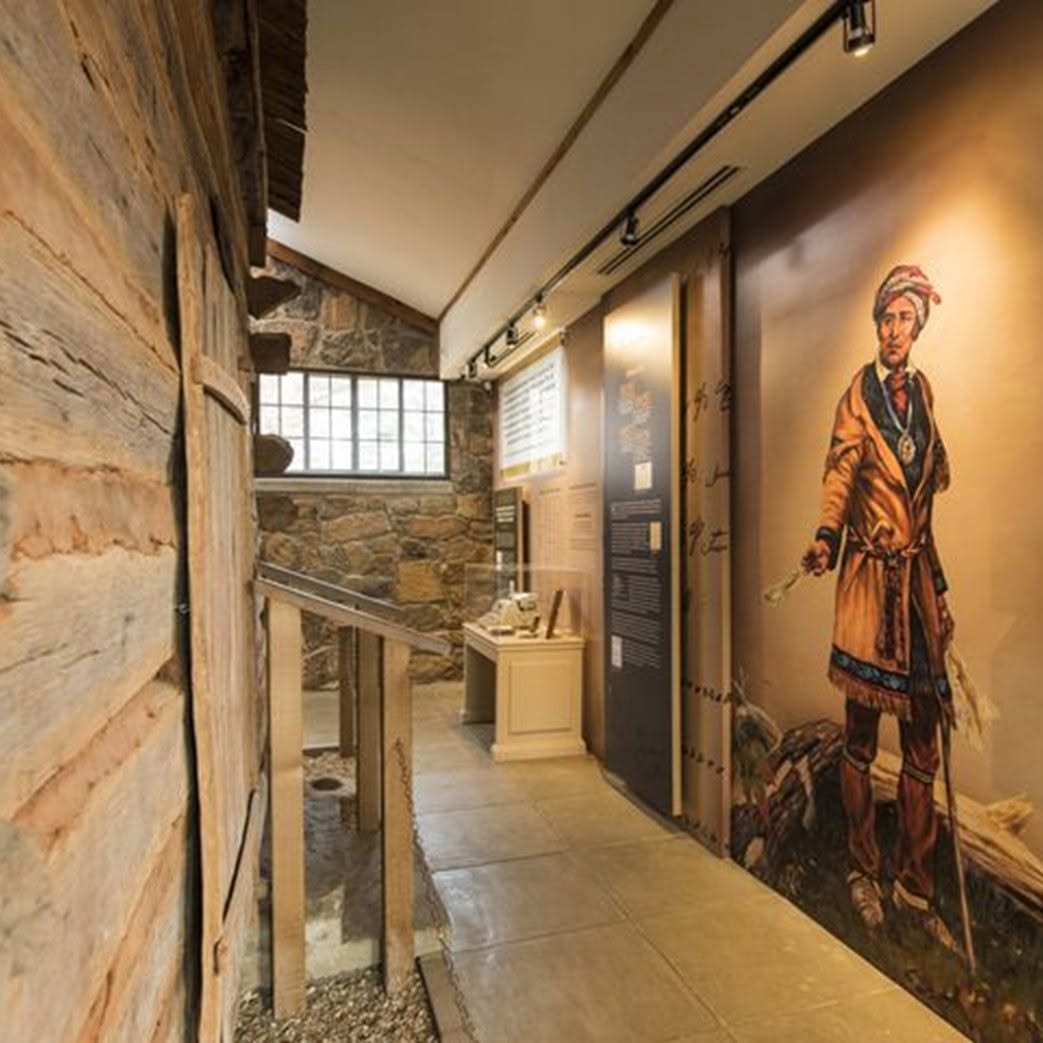
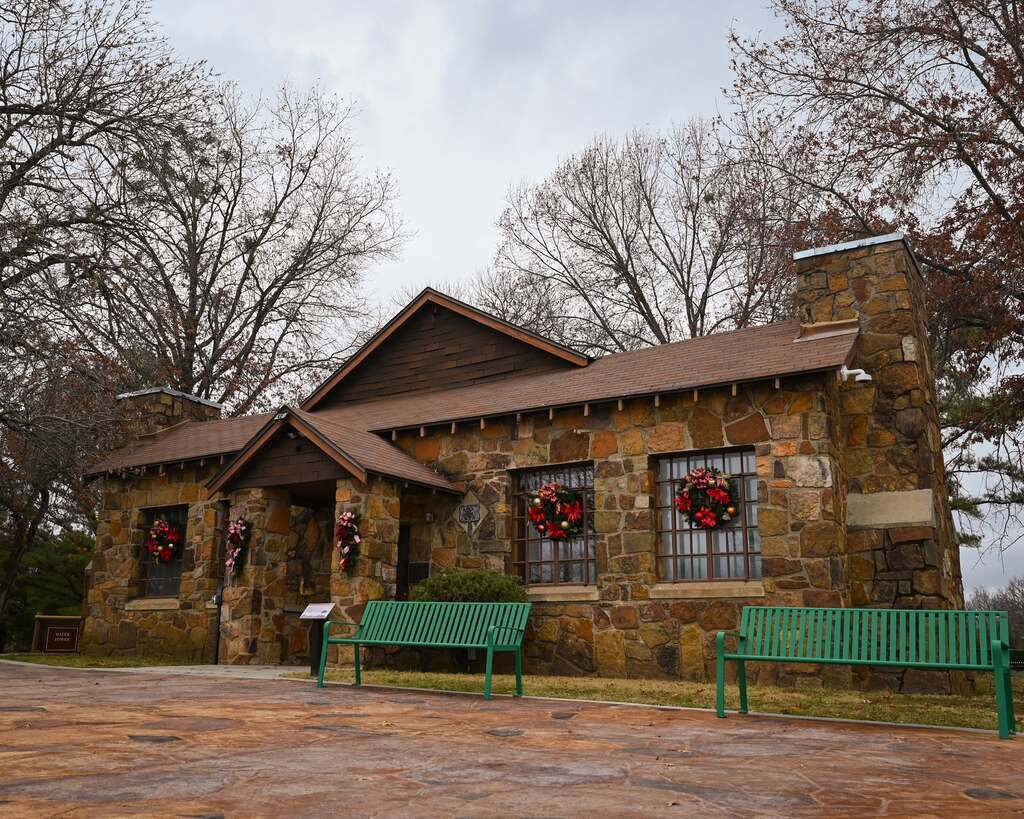
Sequoyah, a significant figure in American history, was monumental in the creation of the Cherokee language. Sequoyah’s Cabin Museum, listed on the National Register of Historic Places, was built in 1829 and has been maintained and furnished to appear as it did centuries ago. Experience what it was like when Sequoyah actually lived at this National Literary Landmark. Stroll the surrounding 10-acre park and take in the natural beauty of Sallisaw, Oklahoma.
The museum features detailed historical documents, artifacts, and exhibits detailing Sequoyah's life, his groundbreaking work on the Cherokee language, and the history of Cherokee execution of printing and literacy.
The cabin sits on a 10-acre parklike property that includes a walk-thru garden, a gift shop with authentic Cherokee items, and open green spaces perfect for a peaceful stroll.
The site features on-site parking, public restrooms, and full wheelchair accessibility (entrance, parking, and restrooms). It is highly rated by travelers for its family-friendly atmosphere and highly knowledgeable tour guides.
Tuesday – Saturday
10 AM – 4 PM
NO ADMISSION - Family Friendly