
Located in Maricopa, Arizona, the Ak-Chin Him-Dak Eco-Museum is a community-centered cultural museum operated by the Ak-Chin Indian Community, a federally recognized Tribal nation of O’odham people. The name Him-Dak refers to the Ak-Chin way of life, and the museum's purpose extends beyond displaying artifacts — it serves as a living space for preserving, teaching and sharing Ak-Chin culture, history and connections to the land.
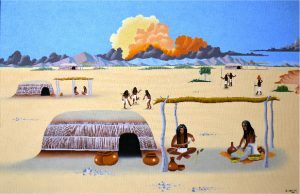
The Ak-Chin Indian Community has deep connections to the Sonoran Desert and the agricultural lands surrounding Maricopa. The word Ak-Chin is an O'odham term meaning “mouth of the wash,” referring to the community's relationship with seasonal desert waterways. Agriculture has long been central to the community, and the Tribe continues to maintain its cultural identity while supporting community programs, education and economic development.
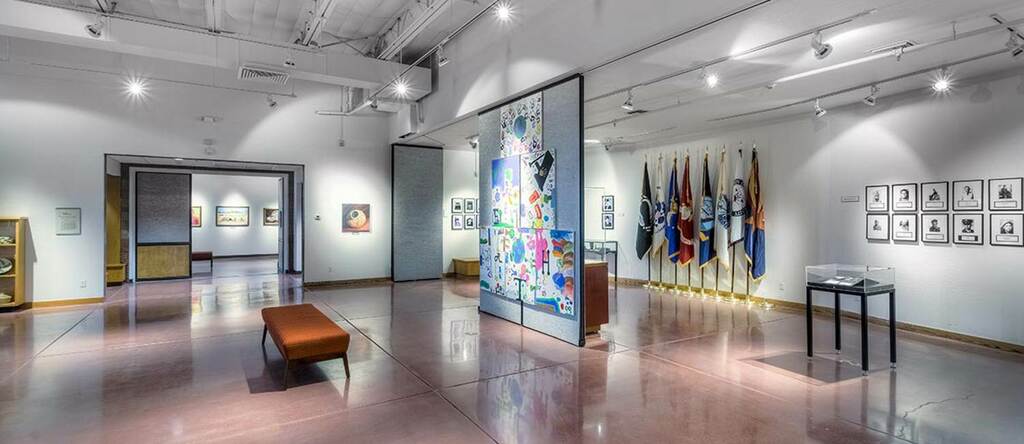
Rather than functioning solely as a traditional museum, Him-Dak incorporates community programming, arts and educational activities. Visitors may encounter community-created artwork, traditional crafts and exhibits that provide insight into Ak-Chin history and contemporary life. The museum also serves as a gathering place for cultural programs and hands-on activities, making it an especially meaningful stop for travelers interested in experiencing Indigenous culture from the community's own perspective.
Exhibits & Cultural Experiences
Ak-Chin history and heritage – Exhibits introduce visitors to the history and continuing traditions of the Ak-Chin Indian Community.
Community artwork – Displays feature artwork created by Ak-Chin community members.
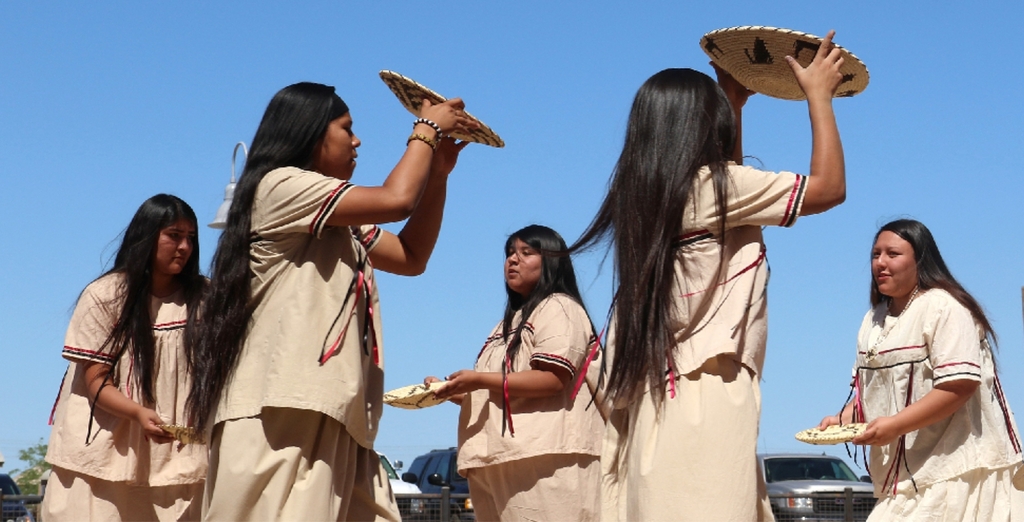
Traditional basketry – Visitors may see examples of traditional basket weaving and other Indigenous arts.
Cultural artifacts – Collections and displays help illustrate the community's history and way of life.
Changing exhibits – Displays and community-created artwork may change over time.
Educational programming – The museum hosts workshops and cultural activities connected to art, crafts and community traditions.
Him-Dak Art Building – The museum's art facilities are used for hands-on cultural and creative programs, including ceramics, beading and seasonal crafts. Recent programming has included community art sessions and youth art programs.
Cultural Events & Programs
The museum also plays a role in community celebrations and educational programming throughout the year.
Him-Dak Celebration – An annual community celebration highlighting Ak-Chin culture and heritage.
Native American Recognition Day Celebration – Annual programming recognizing Native American cultures and community contributions.
Art programs – Seasonal programs provide opportunities for community members and youth to learn different artistic and craft traditions.
Craft workshops – Programming has included beading, ceramics, paper flowers, wreath making and other hands-on activities.
Youth programs – Educational art activities are offered for different age groups within the Ak-Chin community.
What Visitors Should Know
Him-Dak is particularly important because it represents living culture rather than only historical interpretation. Travelers should approach the museum as a community cultural space and remember that some programs are designed specifically for Ak-Chin members, residents and employees rather than general tourists. Public access to exhibits may also differ from access to community programs, so visitors should contact the museum before planning a visit around a specific event or activity.
Visitors interested in Indigenous tourism can pair the museum with other nearby Ak-Chin destinations, including Harrah's Ak-Chin, the Ak-Chin Mission, community recreation areas and other Tribal enterprises. The museum is a particularly useful starting point for understanding that the Ak-Chin Indian Community is a living, sovereign Tribal community, rather than simply a historical site.
Visitor Information
Museum Hours: Monday-Friday, 10 a.m.-3 p.m. according to current business information.
Admission: Visitors should confirm current admission information with the museum before visiting.
Age Requirement: No general age restriction; children may attend appropriate public programs, although individual events can have age requirements.
Visitor Tip: Because programming and public access can vary, calling the museum ahead of time is recommended, especially if visitors are interested in a particular exhibit, workshop or cultural event.